
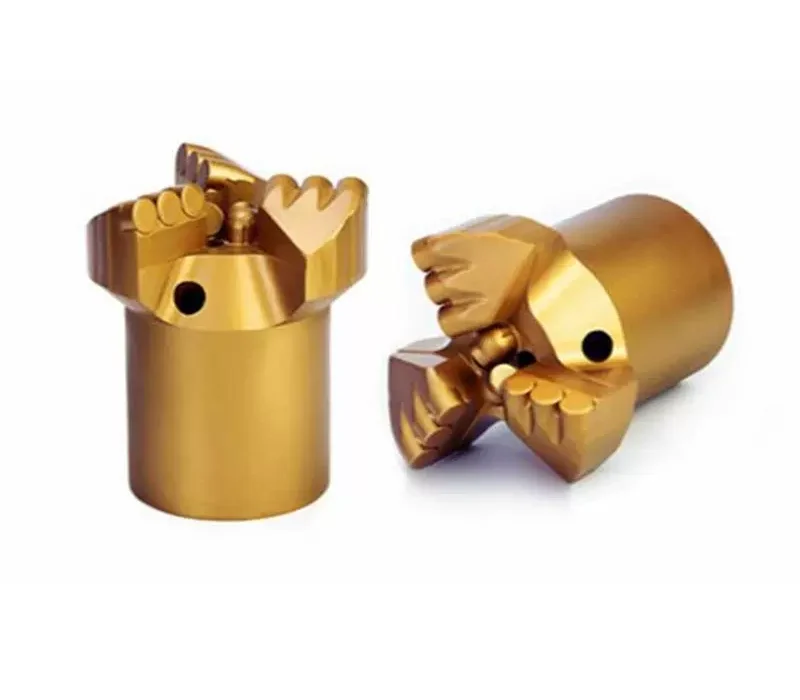
Select PDC for stable offshore clay or shale below 4,000 psi, using 2,000–10,000 lbf/in WOB and 60–300 RPM. For an 8.5 in hole, keep flow within 250–650 gpm. A milled-tooth tricone using IADC 111, 121, or 131 is the alternative when rolling contact handles variable soft rock more predictably.
Soft offshore formations reward efficient shearing, yet they can also produce balling, rapid depth of cut, and unstable torque. Clay, shale, and uncemented sand are grouped below 4,000 psi, but their behavior differs. Cohesive clay can adhere to blades. Shale may create plate-like cuttings. Loose sand may not provide the stable cutter support that PDC expects. The bit choice must start with material behavior, then be operated within a controlled window.
What makes PDC the first offshore option?
PDC cutters shear soft and medium rock efficiently and match offshore and directional applications under the supplied compatibility table. The absence of rolling cones removes a bearing system, while blade and nozzle layout can support steady cleaning. In bonded clay or shale, PDC can deliver a consistent response when WOB is not allowed to create an uncontrolled depth of cut.
The limitation is loose coarse material. PDC is not suitable for gravel. Uncemented sand also requires careful evaluation because the face can move and pack differently from consolidated shale. Use the offshore drilling archive to review application choices and the soft formation archive for the defined rock class.
How should the PDC envelope be managed?
Use 2,000–10,000 lbf/in WOB and 60–300 RPM. For an 8.5 in hole, flow is 250–650 gpm. Start at a combination that produces steady torque and recognizable returns. In very soft rock, penetration can respond sharply to a small WOB increase. That response should be treated as a control warning, not an invitation to chase the maximum rate.
Flow should clear cuttings from the blades and keep the face from packing. If torque rises while penetration falls, reduce cutter engagement and evaluate cleaning. Increasing to the top of the flow range cannot correct chipped cutters or an unsuitable formation. Likewise, high RPM can increase cutting frequency but may worsen balling if material remains around the face.
| Soft offshore choice | WOB | RPM | Additional rule |
|---|---|---|---|
| PDC in clay or shale | 2,000–10,000 lbf/in | 60–300 | 250–650 gpm for an 8.5 in hole |
| Milled-tooth tricone | 3,000–8,000 lbf/in of diameter | 60–120 | IADC 111, 121, or 131 |
| Loose gravel | PDC not suitable | Use a type matched to clast hardness | |
Offshore planning should identify the expected change from cohesive to uncemented material before the run. A bit that behaves well in shale may react differently when the face becomes loose sand. Record changes in return shape, torque stability, and penetration at the boundary. The classification “soft” is too broad to explain those responses by itself.
The connection must also match the supported rotary assembly. The allowed API Reg families are 2-3/8″, 3-1/2″, and 4-1/2″ for tricone and PDC equipment, but the data does not assign one connection to every diameter. Verify the actual tool rather than inferring a thread from the product category. A mismatch is an equipment error, not a formation problem.
When a short cleaning event restores penetration without changing WOB or RPM, document it. That response supports a balling or recutting diagnosis. If performance stays poor after the face is clean, inspect for cutter damage or a lithology change. Keeping those two tests separate prevents an unnecessary bit-family change based on an unresolved hydraulic symptom.
When is a soft-formation tricone preferable?
A milled-tooth tricone can be preferable when rolling contact gives a calmer response across variable soft lithology or when a previous PDC run suffered persistent balling. IADC 111, 121, and 131 are the allowed soft milled-tooth codes. Operate at 3,000–8,000 lbf/in of bit diameter and 60–120 RPM.
The tricone has its own limitations. Teeth and cone spaces can pack with sticky material. Bearings and seals must remain healthy. The project table does not assign a tricone flow range, so the PDC value must not be copied into its specifications. Choose circulation from actual returns without presenting an unsupported number.
The PetroWiki drilling reference can support general offshore drilling terminology. The IADC is the approved classification source. Operating decisions still need rig data and recovered-tool evidence.
Which soft-formation failures should be separated?
PDC balling is different from cutter wear. Packed clay around blades can reduce rate even when the cutters remain sharp. Gravel impact may chip isolated cutters. Excess depth of cut can cause torque instability without visible mineral abrasion. Identify the mechanism before changing the bit family.
Tricone packing can restrict cone movement, while abrasive quartz above 20% can wear teeth even in rock below 4,000 psi. A soft UCS class therefore does not guarantee low wear. Inspect teeth, cone freedom, gauge, and any material retained around the structure. Connect the dull condition to cuttings and depth.
How is an offshore bit decision reviewed?
Document lithology as clay, shale, sand, or gravel rather than simply “soft.” Record WOB, RPM, 8.5 in PDC flow when applicable, torque behavior, penetration, and return character. On recovery, map PDC cutter condition or tricone tooth and bearing condition. A clear record separates a cleaning failure from a wrong cutting structure.
PDC is the leading option for stable soft offshore formations. A milled-tooth tricone is a valid alternative when rolling action better manages variability. Neither is universal. The plan should state the gravel restriction, the risk of balling, and the exact observation that will trigger a parameter reduction or bit change.